
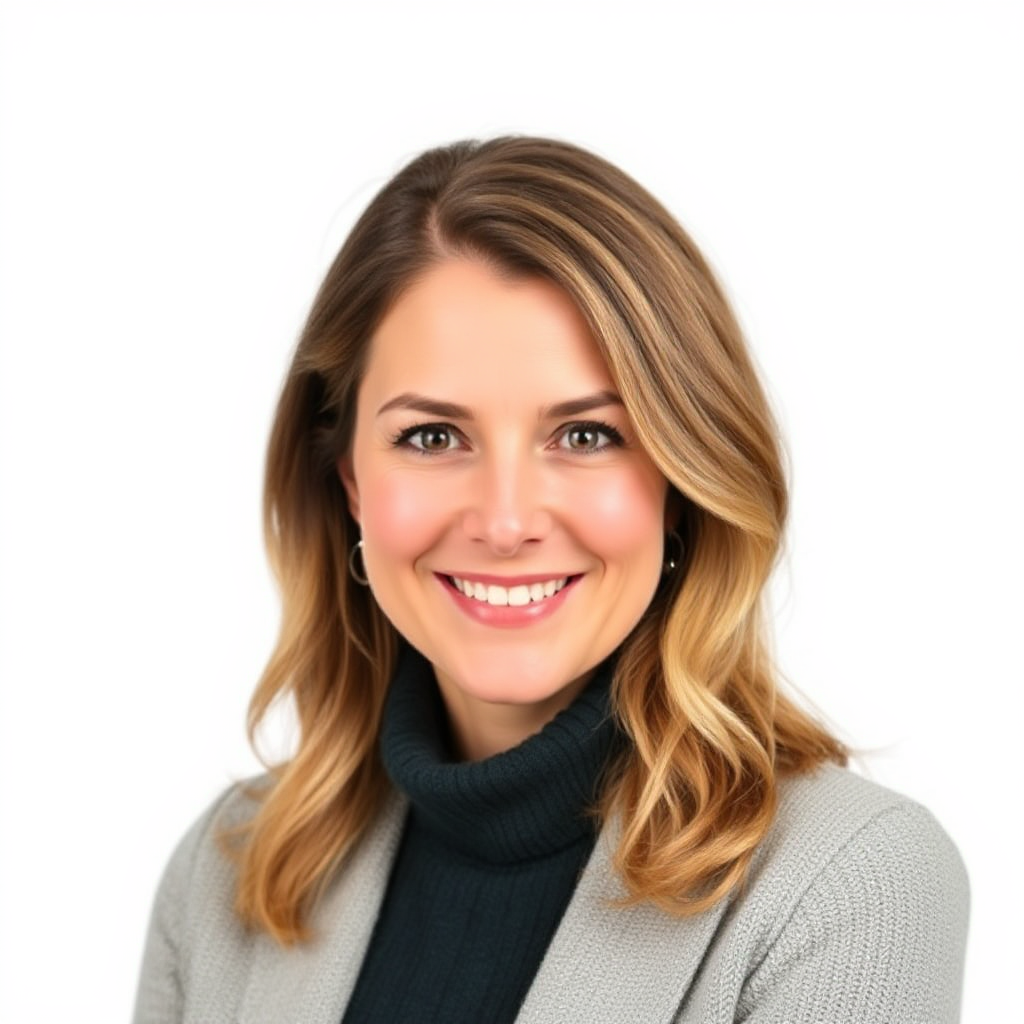

Former Google boss Matt Brittin has been appointed as the BBC's incoming leader.
The former president of Google's EMEA operations will take over from Tim Davie, who announced his exit in November in the wake of a row over how a BBC programme edited a address by Donald Trump.
BBC chairman stated that Brittin, who left Google in the previous year after a long tenure, "offers the BBC considerable expertise of leading a high-profile and highly-complex organisation through a period of change".
Brittin remarked he "is excited to start this task", describing it as "a time of genuine danger, yet also significant potential".
He stated that the United Kingdom requires "a thriving BBC that serves all in a complex, volatile and rapidly evolving landscape".
Setting out his vision, he said: "The BBC needs the momentum and vigour to be both at the heart of news, and where audiences are. To strengthen the scale, reputation and production quality currently, confront issues with courage, and prosper as a publicly-funded broadcaster ready for the years ahead."
'Sweeping Overhaul'
Shah described the new appointee "a remarkable manager" with "the capabilities needed to steer the organisation through the myriad shifts happening in the industry and in audience preferences".
The chairman also highlighted his "dedication to the BBC, his comprehension of the problems facing the institution, his commitment to its impartiality and his drive to maintain the BBC's standing as one of the UK's most important national assets".
The incoming chief arrives at "a crucial time", as the UK government examines the BBC's governing charter, the chairman continued.
"There is no doubt there is a requirement for fundamental change of the BBC, its licence fee system and the framework in which it operates. The stakes for the BBC, and the long-term viability of public service broadcasting, have never been greater."

The corporation's most senior position is seen to be one of the most demanding in the UK's media.
During Davie's time in office as the broadcaster's 17th director general, he was tasked with handling a succession of issues and crises at the organisation.
Brittin's immediate concerns will encompass handling a multi-billion dollar libel claim brought by the US president against the BBC.
The former president is disputing the way Panorama edited together two sections of a address he delivered on January 6th, for which the BBC has expressed regret.
Recently the broadcaster petitioned a court to reject the case, arguing the controversial programme was not broadcast in the United States.
BBC at a Critical Juncture
The new director general steps into the role at a critical time for the BBC in additional respects, too.
He will take forward discussions with the government on the broadcaster's constitution and the future of the licence fee and corporation financing.
The current charter, which sets out the terms and purposes of the BBC's existence, will come to an end in 2027.
His selection also occurs at a point when the BBC is vying with large technology firms in the digital media arena.
The search engine's parent company controls YouTube, with which the BBC recently disclosed a major partnership to produce tailor-made content.
Corporate Background a Asset?
Several individuals within Google "speak highly" about Brittin, as an motivational leader and a superb collaborator".
Several have raised doubts about the BBC's appointment someone with a professional roots in the corporate world rather than editorial or traditional journalistic expertise.
However, it is understood that "he's been picked by the BBC Board for his first-hand experience of big tech. There's an expectation he will drive the acceleration to digital, for example in news. He'll also almost certainly prioritise evolving and developing BBC iPlayer."
Ex- BBC Newsnight editor Peter Barron, who collaborated with him at Google, commented he is "highly motivated by a ethos of the public good".
"He admires the BBC for its reliable news and its creativity, but he's also acutely mindful of its legacy as a technological leader.
"He aims the BBC to succeed in a climate where a lot of its most significant challenges are related to tech, whether that's the power of the streaming services, online false information, or just how the public prefer to consume media.
"Considering his background and contacts within the digital world, and also the connections he's forged with TV networks, the press, oversight bodies and governments, I think he's very well placed to address the challenges."
Who is Matt Brittin?

Born in Walton-on-Thames, Surrey, Brittin received a degree from the Cambridge, while also rowing for them in the annual race multiple times.
He also rowed for Team GB and won|secured|earned


